
One of the best thing about being a gardener, besides a daily invitation to participate in the miracle that is life, is getting to visit with and learn from other gardeners. So many vegetable gardens are tucked away in backyards behind fences, but since my garden is in my front yard, I get to visit with a lot of my fellow gardeners. It’s made me much more invested in my neighbors and my neighborhood, not to mention my garden. And I learn something from every encounter. I find gardeners as a group to be a generous, smart, and humble people who can laugh at themselves as a small part of a grander story. Gardening can be as rewarding as it gets, but there are endless challenges too. From weather to worms, we’re all in this together. Sharing war stories and strategies makes the whole experience that much richer.
My neighbors Sam and Sue have an enviable garden a couple of houses away from mine and I finally got over there to take a tour of this year’s progress. They are very innovative gardeners and I always come away inspired. For instance, after many years of experience, Sam has built the ultimate tomato cages. They are bamboo fortresses. I can’t wait to see the monsters he grows in these!

They grow several local varieties of tomatoes that I am excited to try. We’re going to have a neighborhood tasting later this summer. I’ll let you know the results.
This year Sam also built some beautiful potato boxes. (And that’s Sue’s tulle cover over the bed behind. Such a good idea and one I am borrowing. I never put my floating row cover on this year because I didn’t want to miss out on the action. With tulle, rain can get through, but bugs can’t, and you can watch the progress. Brilliant.)

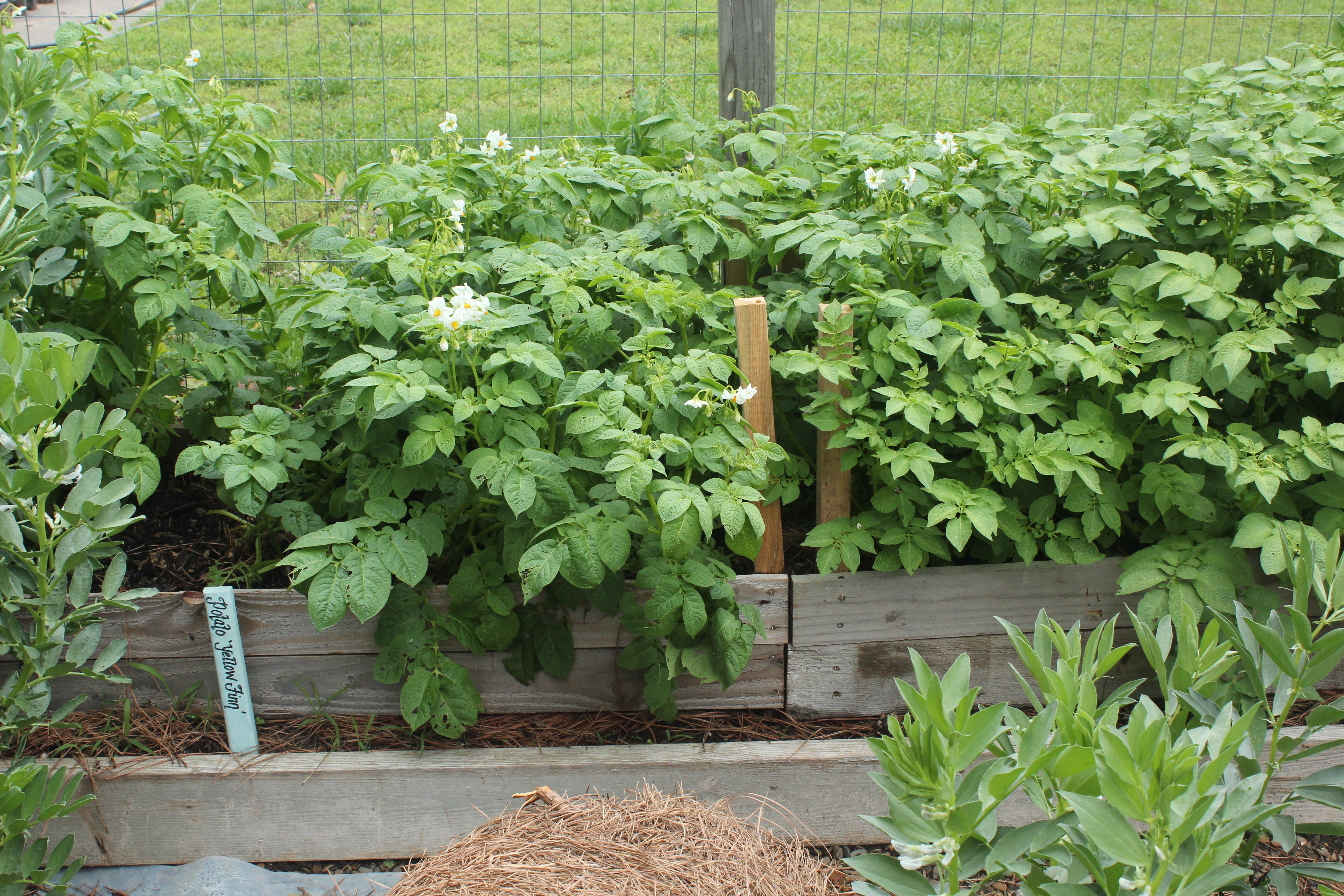
I was so inspired by Sam’s potato boxes that I built my own. Mine are nowhere as lovely as Sam’s, but they are doing the job. I built them in situ because the potatoes were already planted and it seemed like the easiest way to do it. I had planned to just pile up pine straw around the potatoes, but ultimately I’m pleased to have a container. I hammered in 2″ x 2″ stakes and then measured scrap lumber to fit, cut it, and screwed it to the stakes. Because I hoard old lumber (among other things), I was able to build them without a trip to the lumber yard, although because I built them in place I was really grateful for my yoga practice. Contorting your body with an electric screwdriver while trying not to step on the fava beans was definitely challenging, but I did it! When I’m done I’ll take them apart again and hopefully the lumber will lend itself to another use.

Once I got them built I filled them with layers of pine straw and compost. I am lucky to have a loblolly pine tree in my yard because pine straw makes really good mulch. I was initially worried about its acidity, but at pH 6.2 – 6.7 it’s ideal for most plants, and it breaks down so slowly that it wouldn’t be a problem anyway. Plus it’s easy to remove when you’re done with it and it doesn’t take your valuable soil with it. And unlike other mulches, it’s highly sustainable, it just happens. Attractive, available, and stable – sounds like a potential date!
When my tree sheds its needles in the fall, I rake them up to store in old burlap coffee sacks (something else I hoard). But I had already used up last fall’s stash.

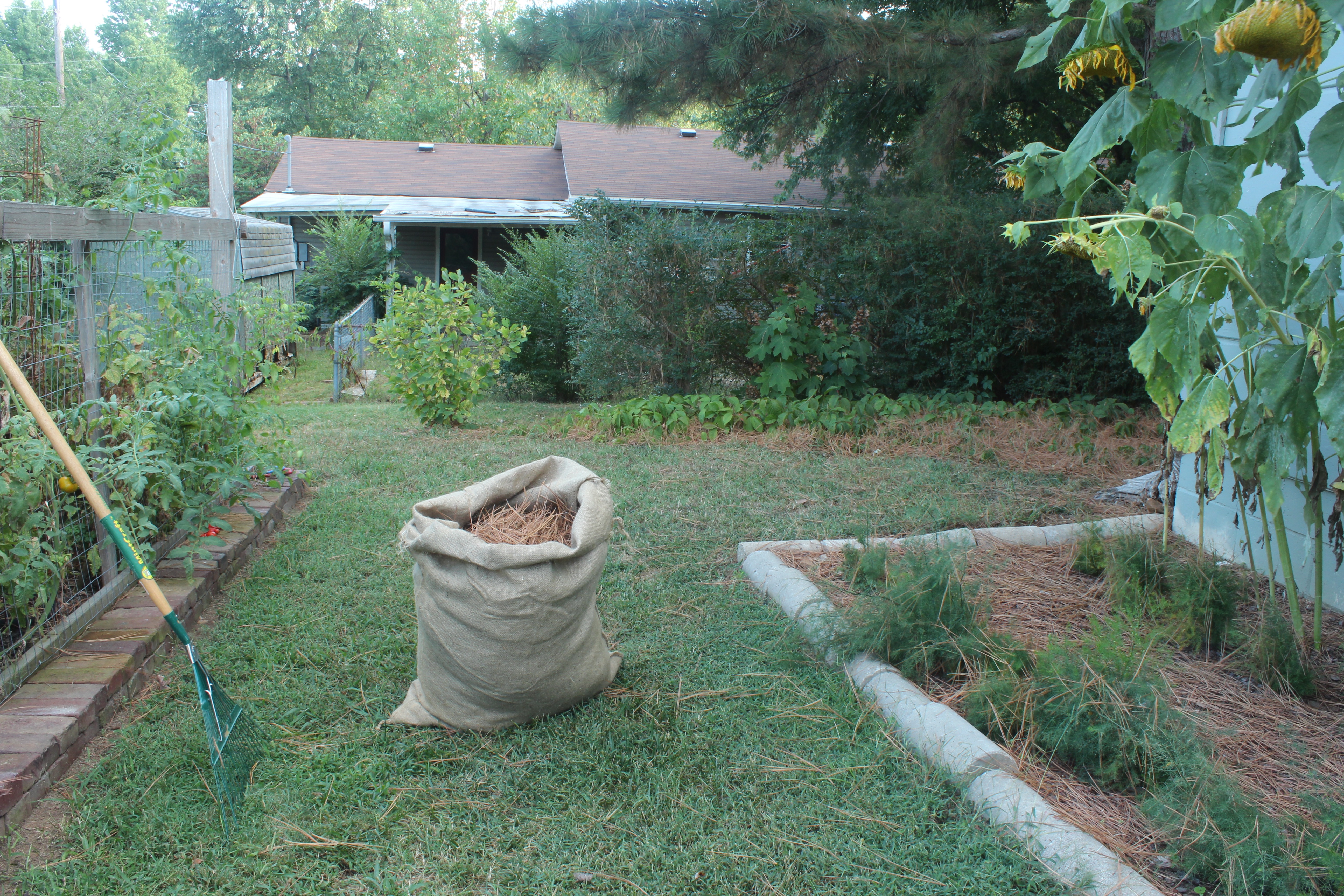
Fortunately, a good friend of mine has a family pine straw farm (http://www.pinestrawfarm.com), and he was kind enough to drop off a couple of nice looking bales to tide me over. Thanks Sparrow!

The Yellow Finn potatoes are blooming now which means they are starting to make potatoes!

In a couple of weeks I’ll get to start treasure hunting!
In other news around the garden during this wet cool spring…
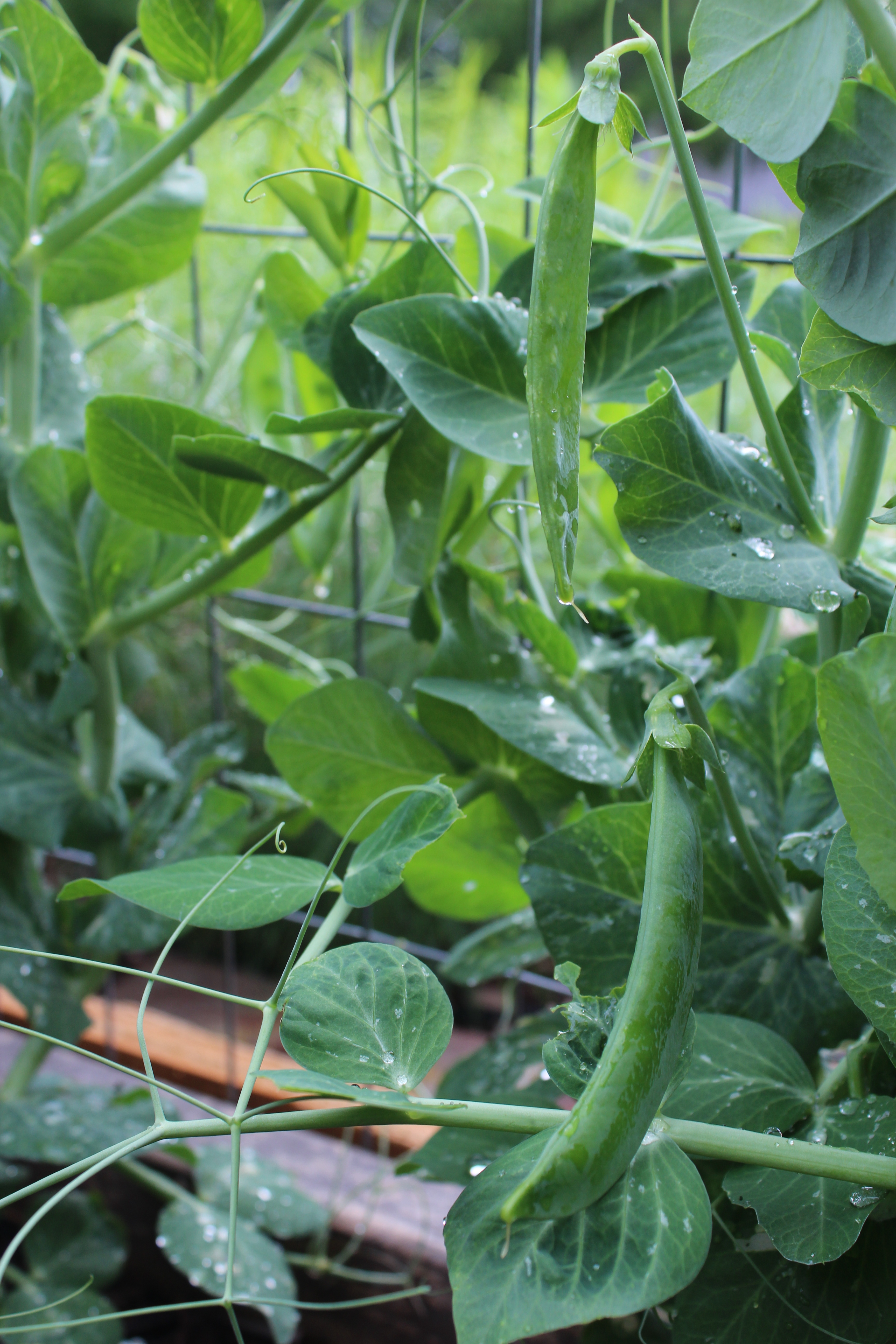
Peas are just starting to produce their pods. I went ahead and harvested a few because I couldn’t wait. They weren’t quite ready but I ate them anyway. And I’ve been adding the shoots to salads. Any day now…
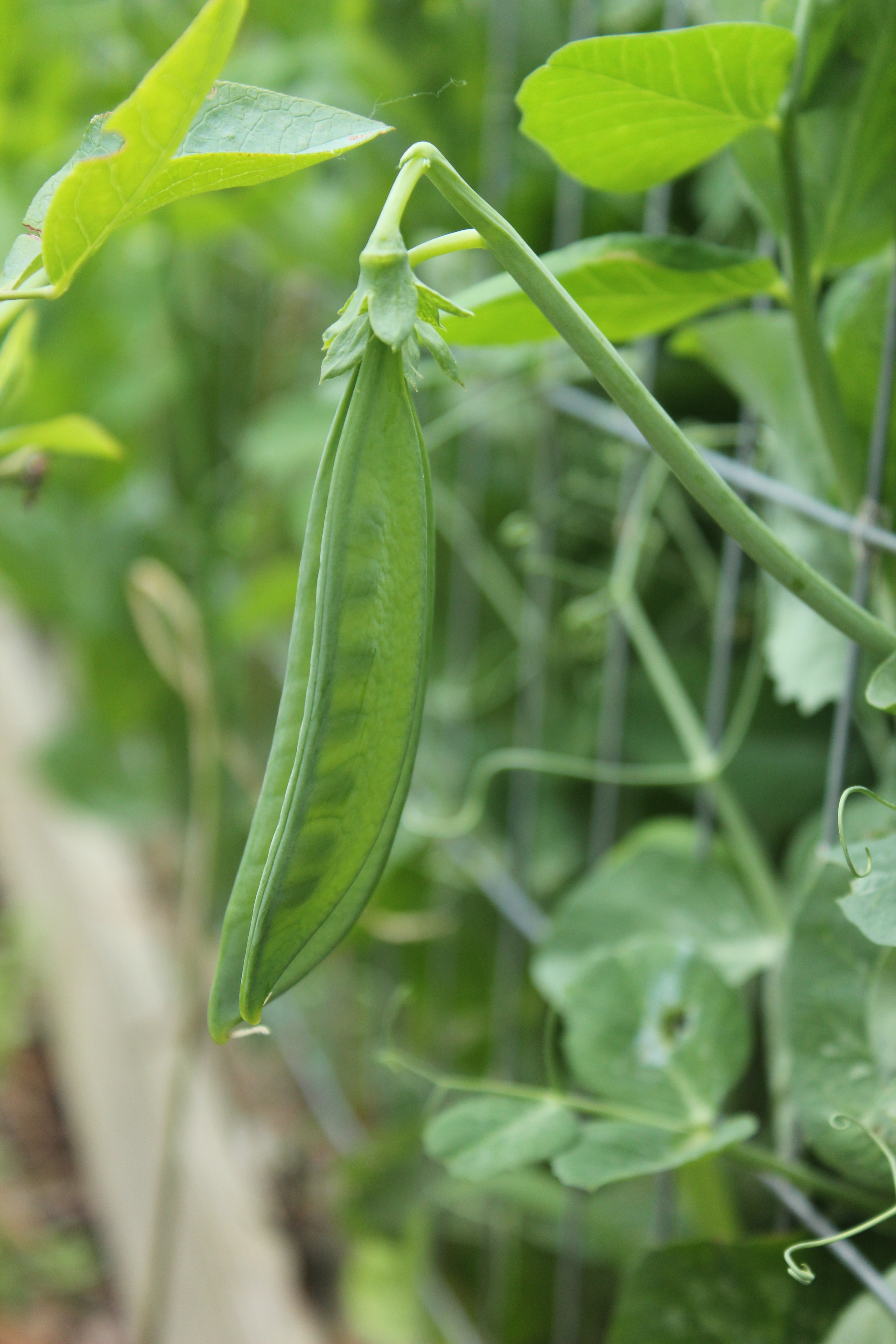
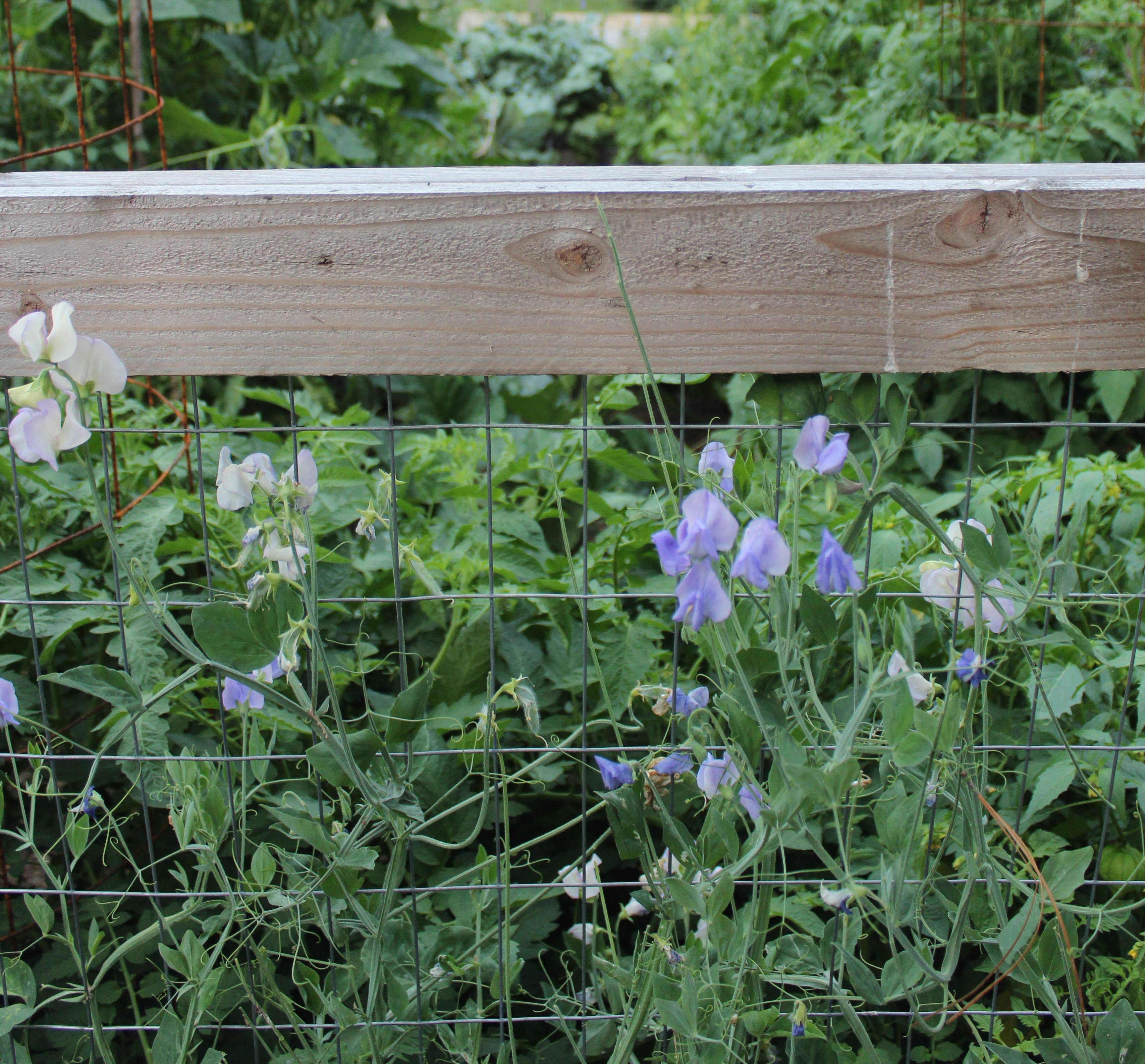
The sugar snap peas are getting nice and tall and have beautiful flowers, some of which are pink, but no peas yet. We’re still debating whether to give them something more to climb on. They seem pretty strong and stable on their own so far.

And there are baby fava beans!
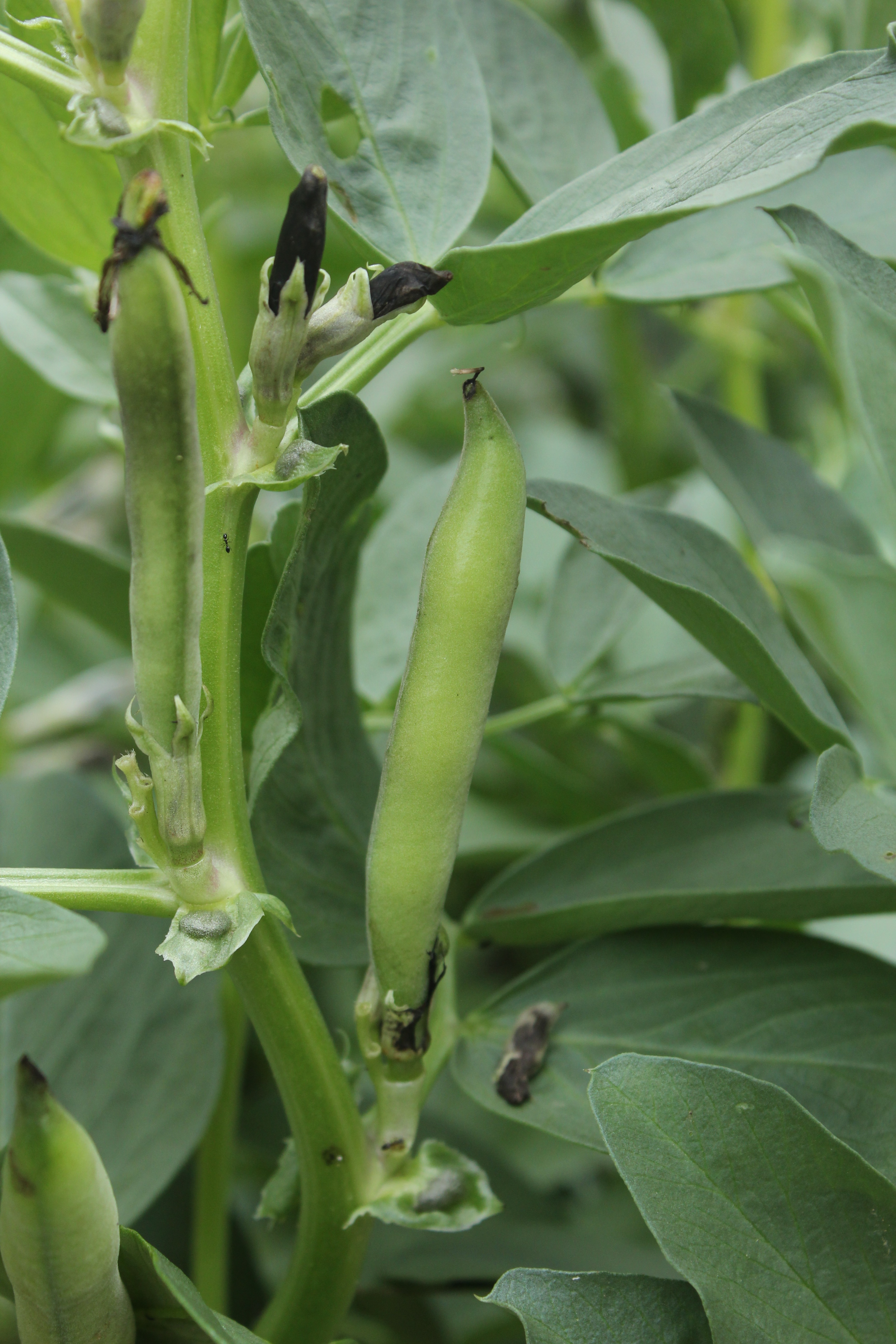
My salads are going to start getting much more company!
Gardening teaches you so much about yourself. I have been surprised and not a little ashamed to discover that I am a bit of a vegetable hoarder. Now that I have made this discovery, I’m better able to understand what’s behind it. Partly I’m still trying to figure out how much of everything to grow and who to give the excess to. But it’s also that when everything looks so pretty and lush and so many shades of green, I want to look at it, not harvest it. Yet whether I like it or not, my garden is constantly teaching me the profound truth of Use It or Lose It– to the bugs and the bolting and the ravages of time. These days I make a concerted effort be where I am and eat what I’ve got, to take a salad to every get together I attend, to eat at least one a day myself, and to push lettuce on anyone who walks by and I still can’t keep up! It’s truly amazing how much food a 4 x 8′ bed can produce.

Luckily, another great gardening neighbor turned me onto green smoothies. Teresa is one of those naturally beautiful people who just glows, I don’t know if it’s the smoothies, or genetic good fortune, but I was all in. She also has a wonderfully exuberant garden in her front yard full of flowers and vegetables. I try to walk by it often with Wilson to see what’s happening, there is always so much to learn from other people’s gardens!
For a smoothie, she puts greens and water in the blender, lets that liquify, and then adds fruit and whatever else sounds interesting. The internet abounds with ideas. I put some wheat germ and avocado in with a frozen banana and a bunch of mixed greens (arugula, kale, chard, broccoli rabe, lettuce, parsley) and it was really good. Plus I felt so virtuous and healthy and clean. And if you harvest and wash a bunch of greens at one go, you’re ready to make them for a couple of days. Spa living at home!
And one more way to eat what you’ve got.

 The Cultivator