

Like a movie director working with a particular troupe of actors, garden designers often work with a palate of favorite plants. I know I do. It only makes sense to work with plants that you know and trust. Luckily I have a garden to experiment in, so while I am willing to put up temporarily with the occasional diva or thug in my own workshop, I can do my best not to subject anyone else to any high maintenance actors.
There are exceptions to every rule, but for the most part I appreciate plants that are low-maintenance, subtle in color, have a long bloom time, attract insects, and are drought- and deer-tolerant. “Walker’s Low’ catmint satisfies every one of those criteria.
Nepeta is a flowering perennial from the mint family, Lamiaceae, a large family with cosmopolitan distribution – meaning mints are found just about everywhere. Remember the spring weeds Lamium purpureum and Lamium amplexicaule? Cousins, I suppose. Other familiar plants in the in the mint family include; basil, rosemary, sage, oregano, thyme, lavender, hyssop, bee balm, and salvia. You can usually identify mints by their square stems, their opposite, decussate leaves (a fancy botanical word which means each pair of opposite leaves is at a right angle to the next pair, making an X), and distinctive aroma.
Nepeta x faassenii ‘Walker’s Low’ is a cross between Nepeta racemosa and Nepeta nepetella. It gets its genus name, Nepeta, from an ancient Etruscan city, Nepete. Today the city is known as Nepi. It is located at right about the knee cap of the boot that is Italy and is known for its mineral springs. Its species name faassenii refers to J. H. Faassen, the Dutch nurseryman in whose nursery it was first found and it’s varietal name-Walker’s Low-refers to a Irish garden, not its height. It was named the 2007 Perennial Plant of the year by the Perennial Plant Association.
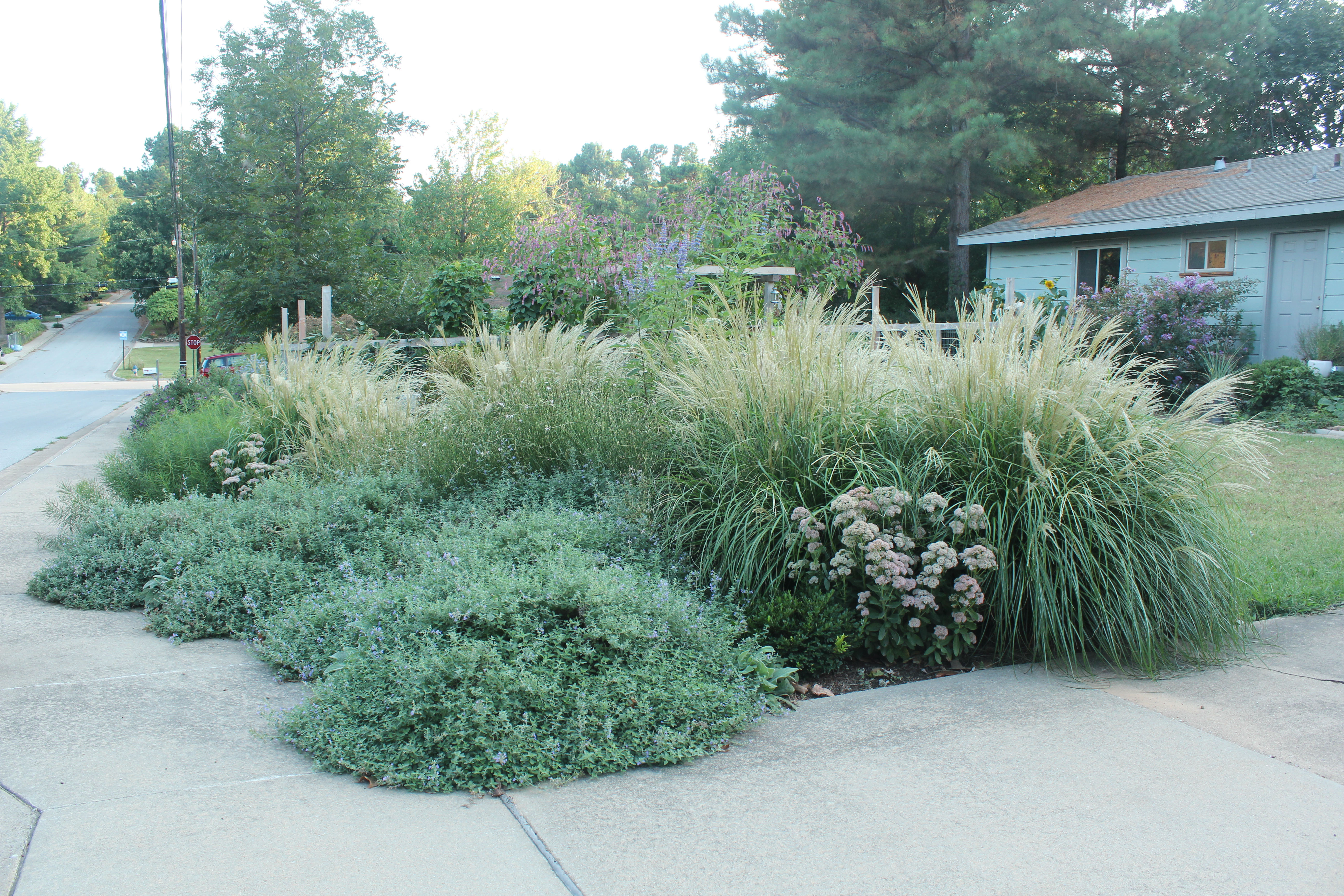
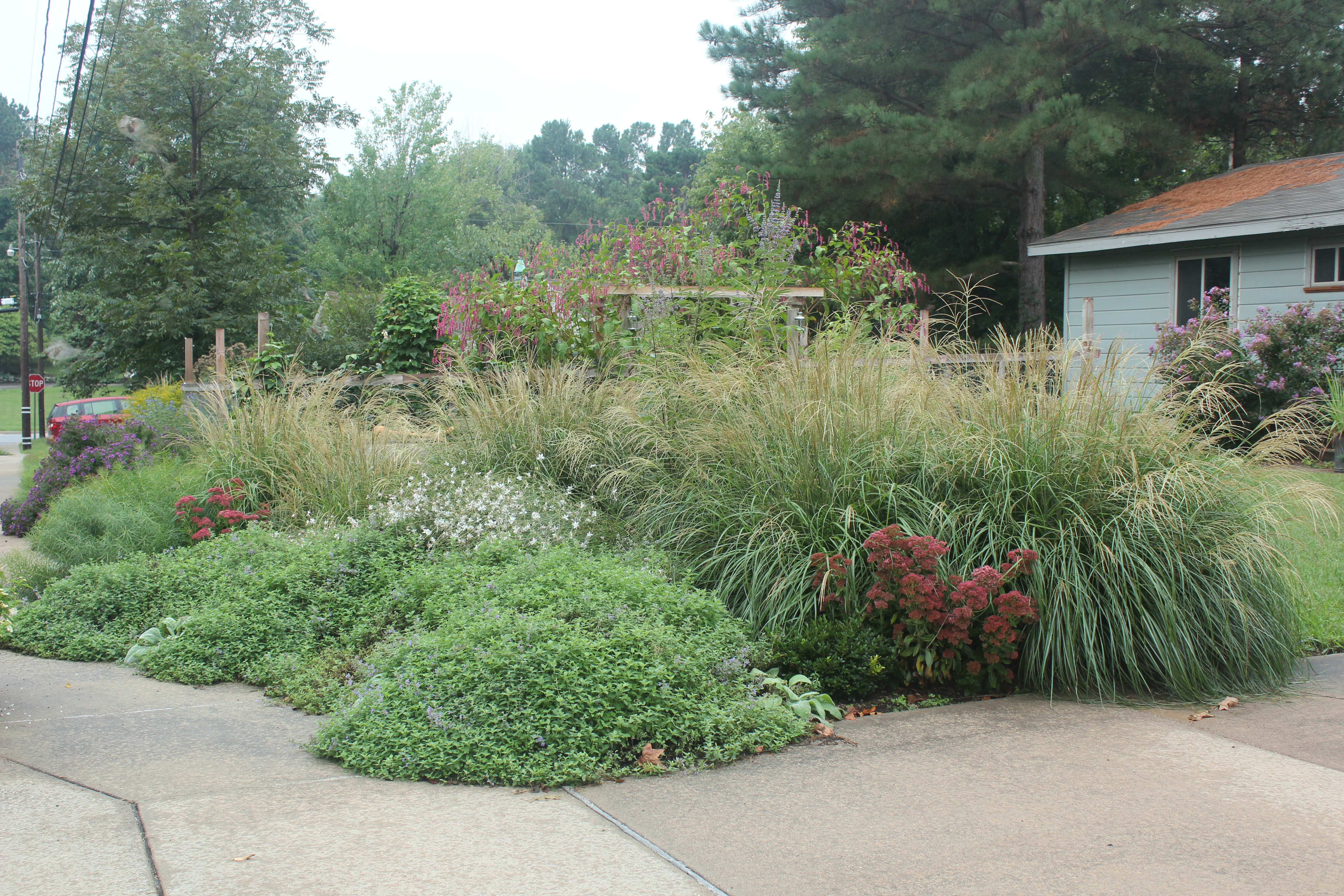
It has a nice round mounding habit, which I really appreciate.
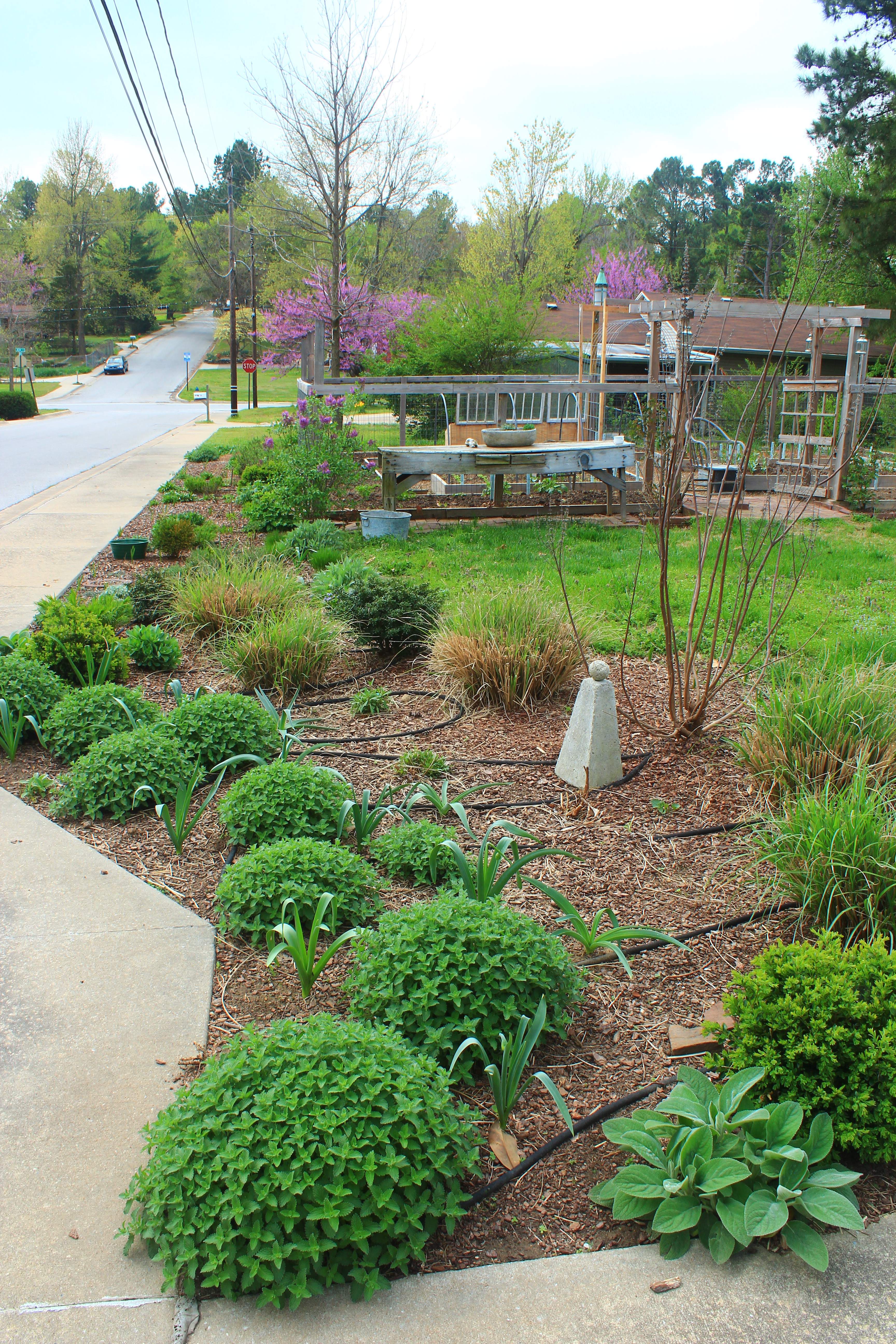

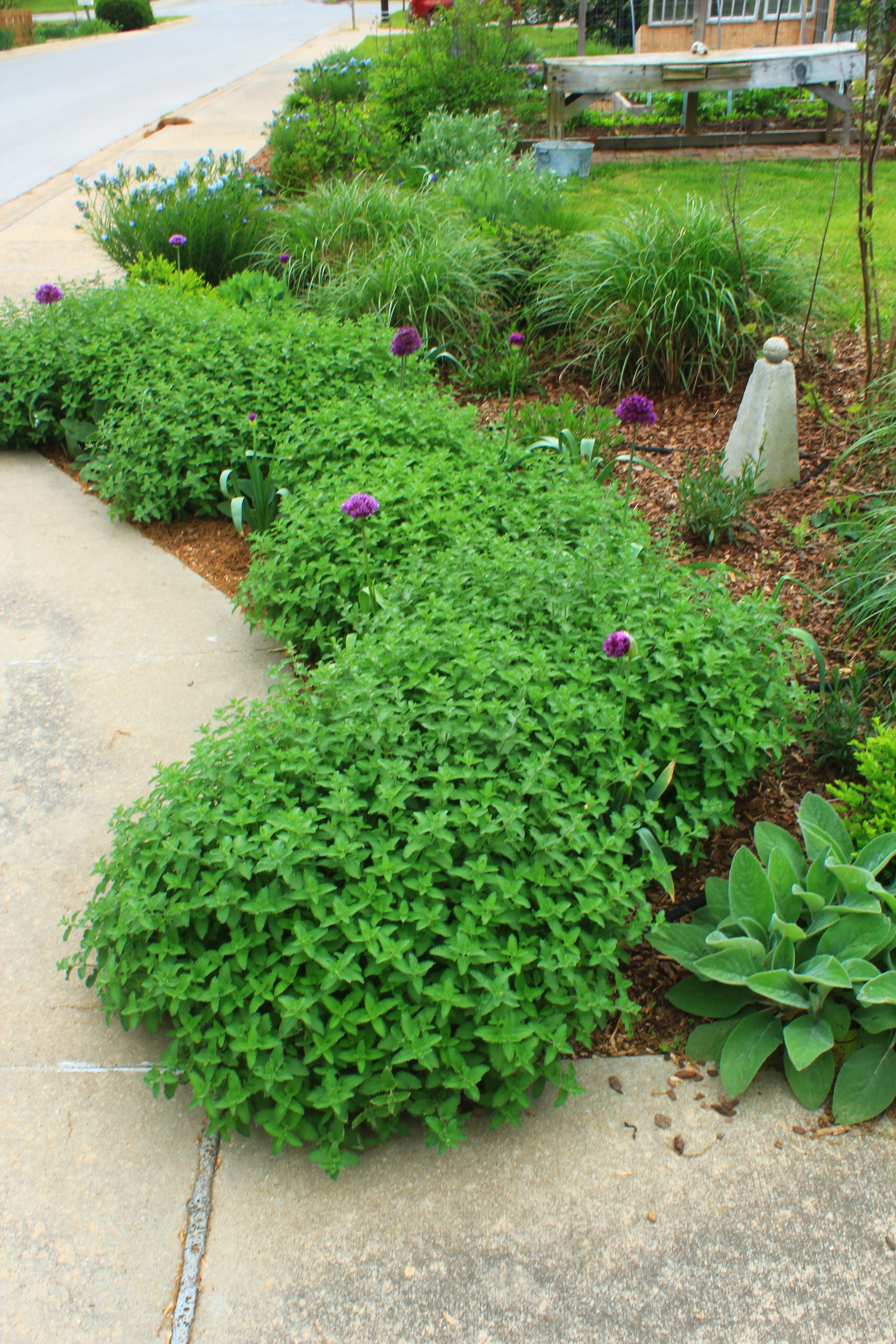
APRIL 8 APRIL 15 APRIL 23
I find mounding plants very calming. I love plants with fireworks too, but they wouldn’t work as well for me without the contrast of nice round mounds to set them off. Here they make a nice green foundation for the purple alliums to erupt out of.

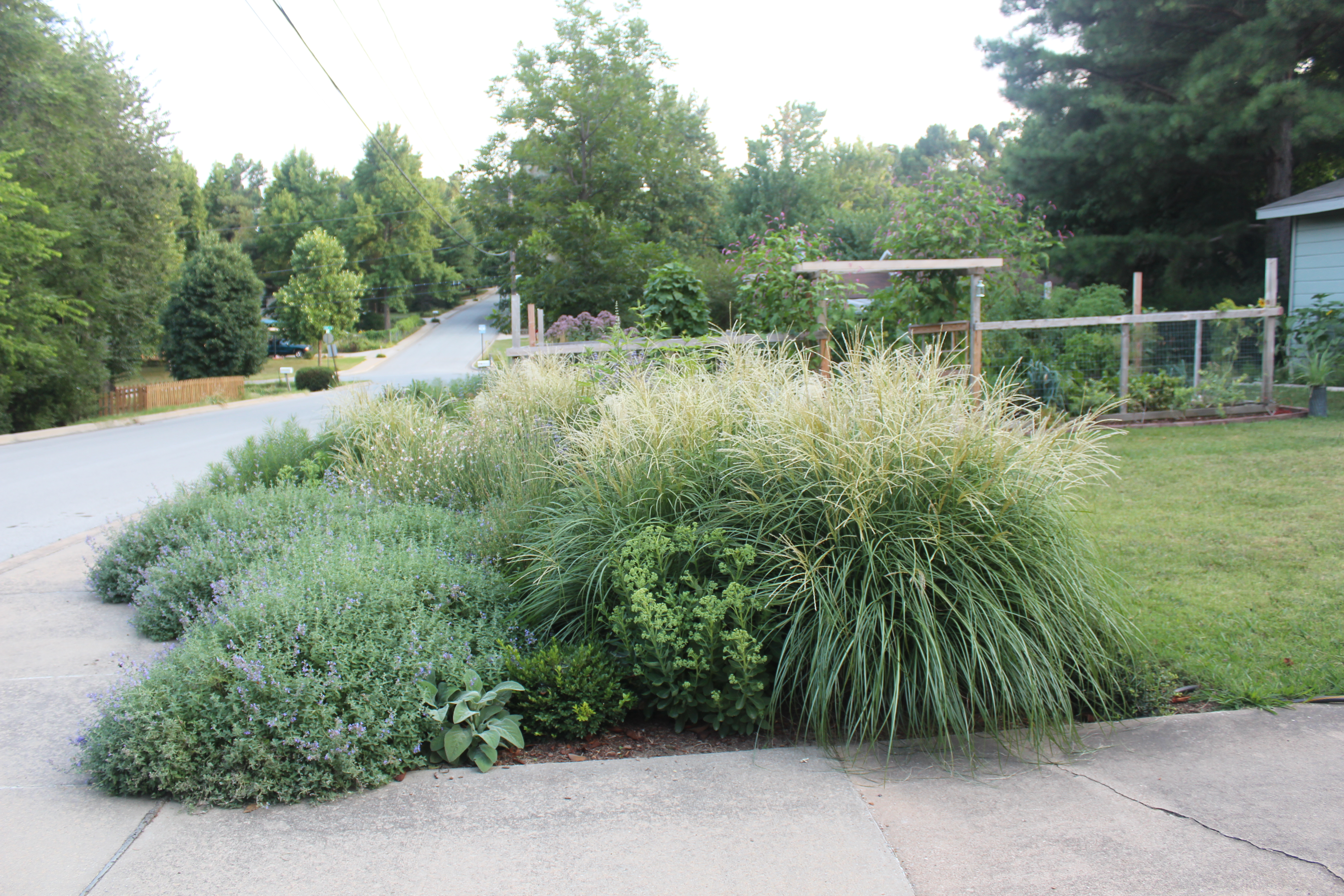
Those mounds can eventually reach 48″ wide by about 30″ tall. They make a nice, albeit tall, ground cover as well. The foliage is a powdery grey-green, and it’s flowers a subtle periwinkle blue. They smell good too. I especially love them with lamb’s ear, another mint family relative, whose big fuzzy grey-green leaves echo their own smaller ones, although it’s tricky to get the spacing just right so the catmint doesn’t smother the lamb’s ear as has happened in portions of my chorus line.

Nepeta’s common name is catmint. Many catmints, including Nepeta cattaria – what we know as catnip, contain a compound called nepetalactone that has a euphoric effect on cats. Fortunately, Finnegan, the cat I have attracted, does not seem to be attracted to mine. And neither are deer – thank goodness! What is attracted to it is every flying insect around. In full flower they are positively thrumming with bees and butterflies. I’ve even seen hummingbirds taking a sip, or perhaps they’re after the insects… It’s a beautiful thing regardless, even if the cabbage white butterflies who feed on my brassicas are among their company.
‘Walker’s Low’ blooms from May to about mid-June and if you give them a nice shearing right about now,
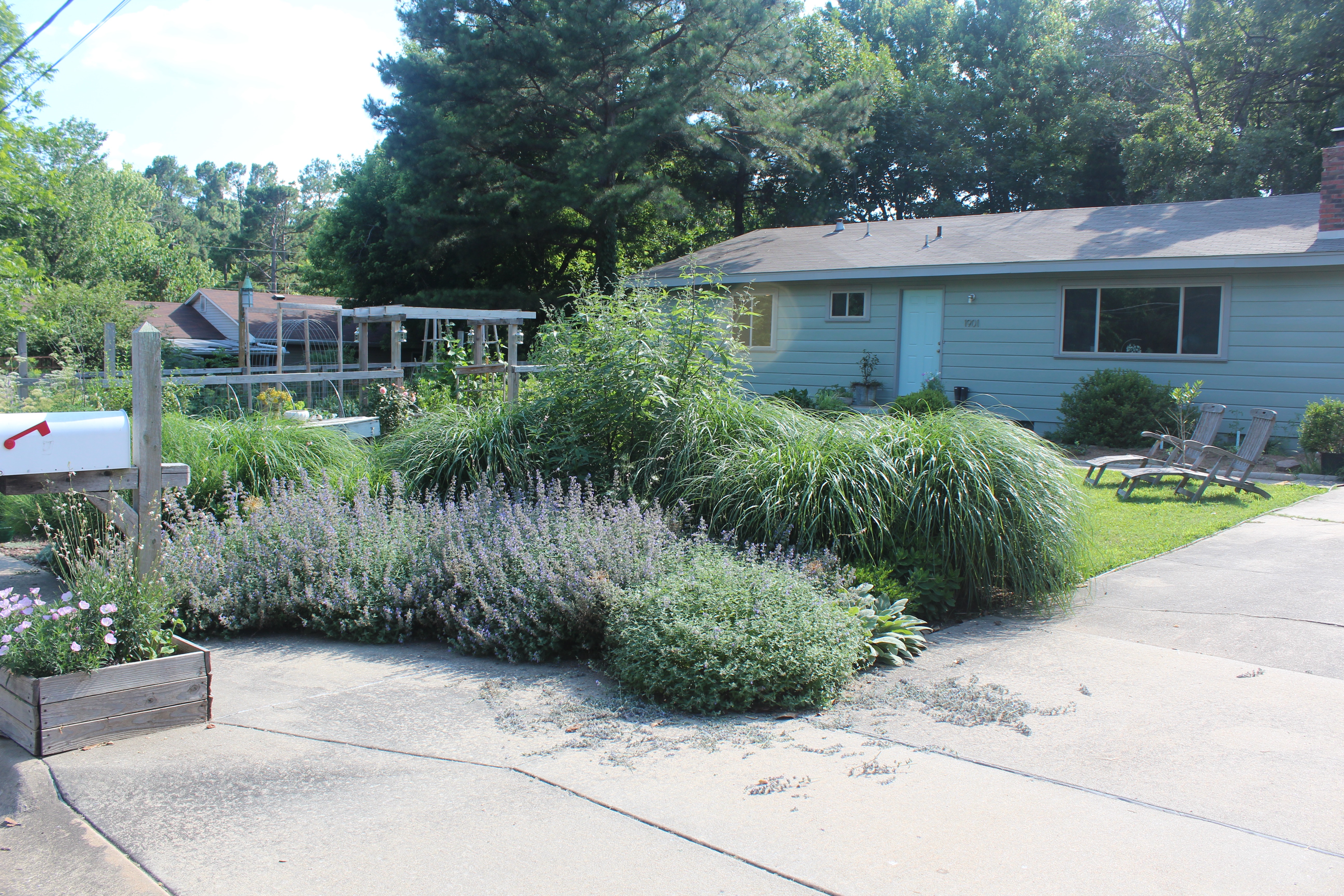
they will bloom again in late summer. It can be hard to cut back something that so many insects are enjoying, but this is a good time of the year to do it as other plants fill in to provide sustenance for our crucial pollinators.
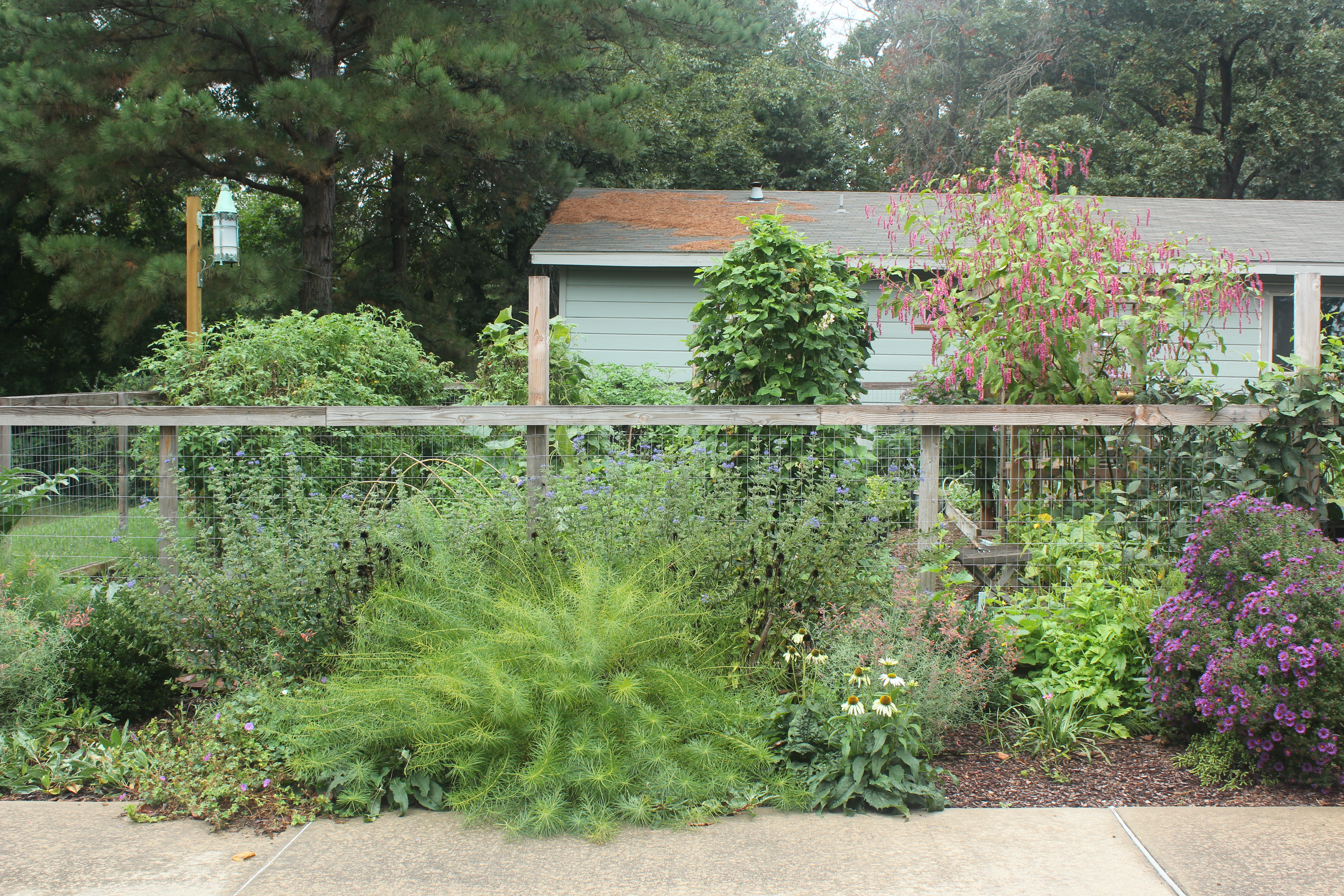
Plants like Veronicastrum virginicum ‘Fascination’ – talk about fireworks, like a purple candelabra. 

Can you see all those bees?!
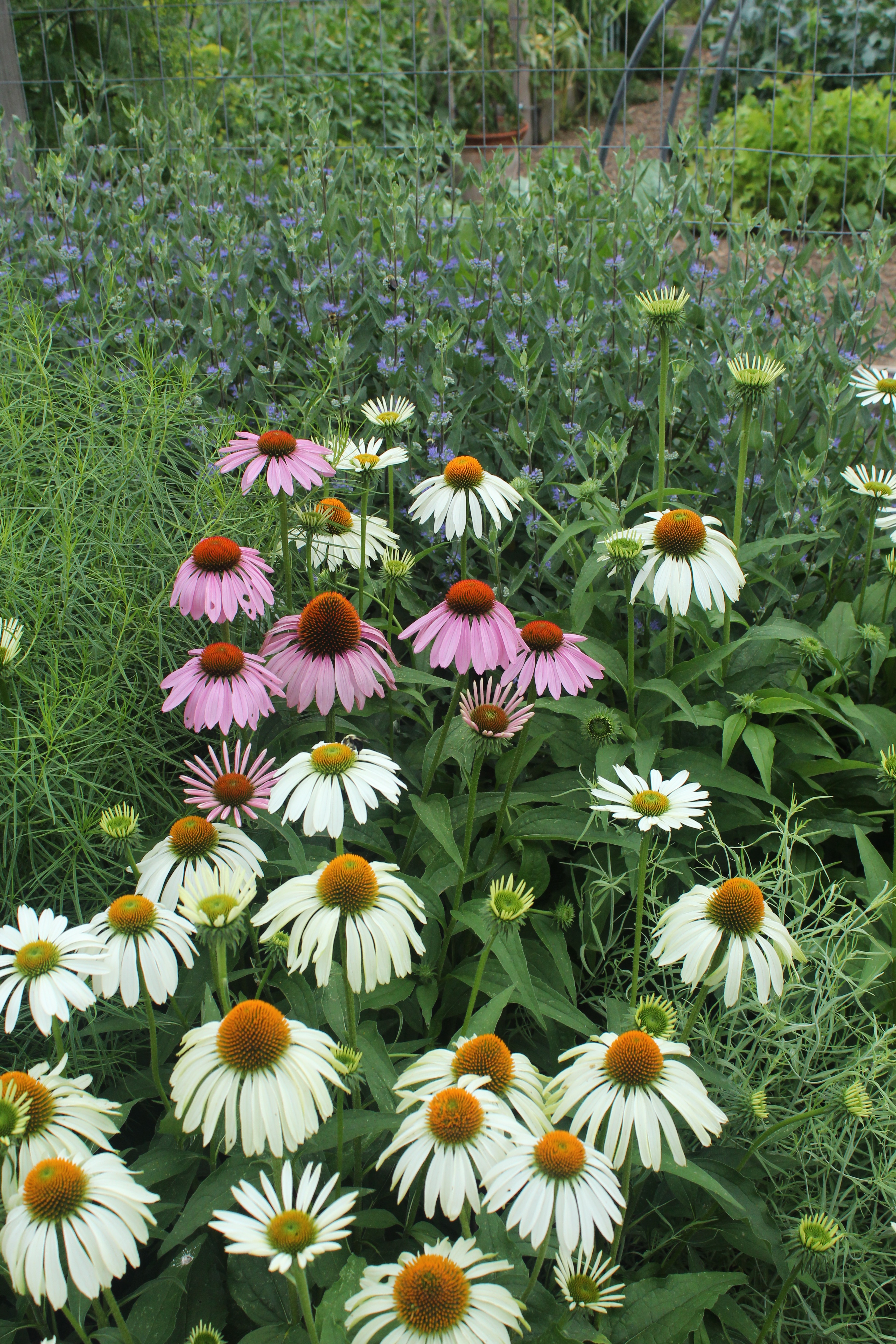
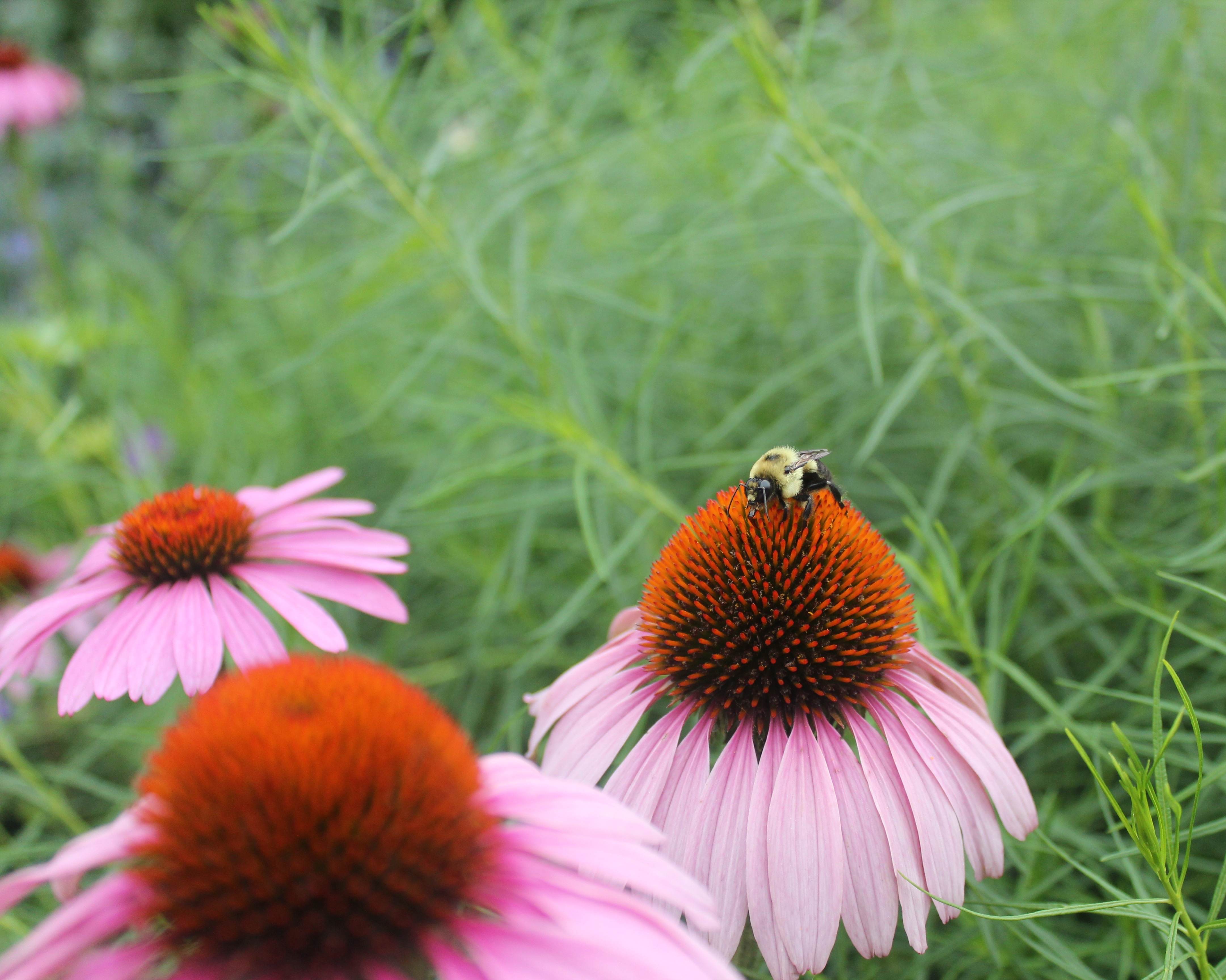
Another insect favorite is Echinacea purpureum or Eastern purple coneflower, see here with a white variety called ‘White Swan’. Behind them is Caryopteris x clandonensis ‘Dark Knight’, yet another of the family Lamiaceae, just coming into its own fuzzy blue prowess, they love that too.
‘Walker’s Low’ is a sterile hybrid, so they won’t reseed like some other nepeta species. I’m hoping to expand my perennial bed another few feet on the other end and repeating my nepeta moment there. I’ve read that when you need more plants you can cut off a piece of the existing plant and move it to where you want it, filling in the hole left behind with compost. I don’t doubt that would work, as this is a really hardy, highly recommended plant.




 The Cultivator